

 Ar
Ar
Where are eucalyptus floors used?
Eucrete flooring is used in environments that require resistance to very low temperatures, such as:
• Cold rooms and freezers
• Refrigerated food warehouses
• Food and beverage factories
• Slaughterhouses
• Dairy and meat processing plants
• Areas subject to continuous water washing
Characteristics and features
• Withstands temperatures as low as -15°C
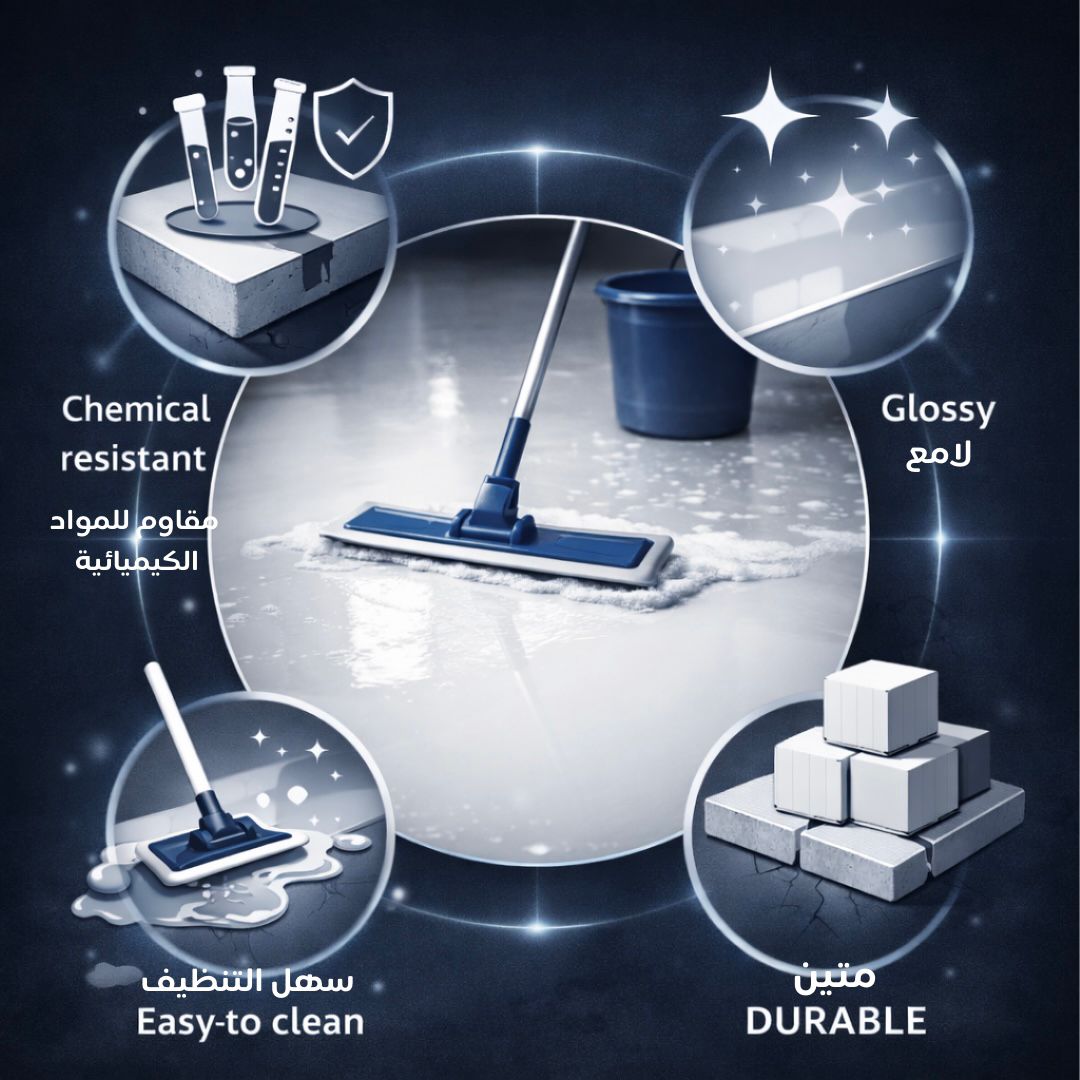
• Excellent chemical resistance: Withstands organic acids, alkalis, oils, and industrial detergents
• High mechanical strength: Resistant to impact, abrasion, and heavy loads
• Slip resistance: Can be applied with varying degrees of roughness
• Suitable for humid environments: Excellent performance in areas exposed to water and steam
• Non-promoting to bacterial growth: Meets HACCP requirements
• Long service life with low maintenance
• Seamless surface reduces contamination and cracking
Application method
- Concrete Surface Preparation (Grinding or Shot Blasting)
- Clean the surface and remove dust and loose materials.
- Apply a suitable primer.
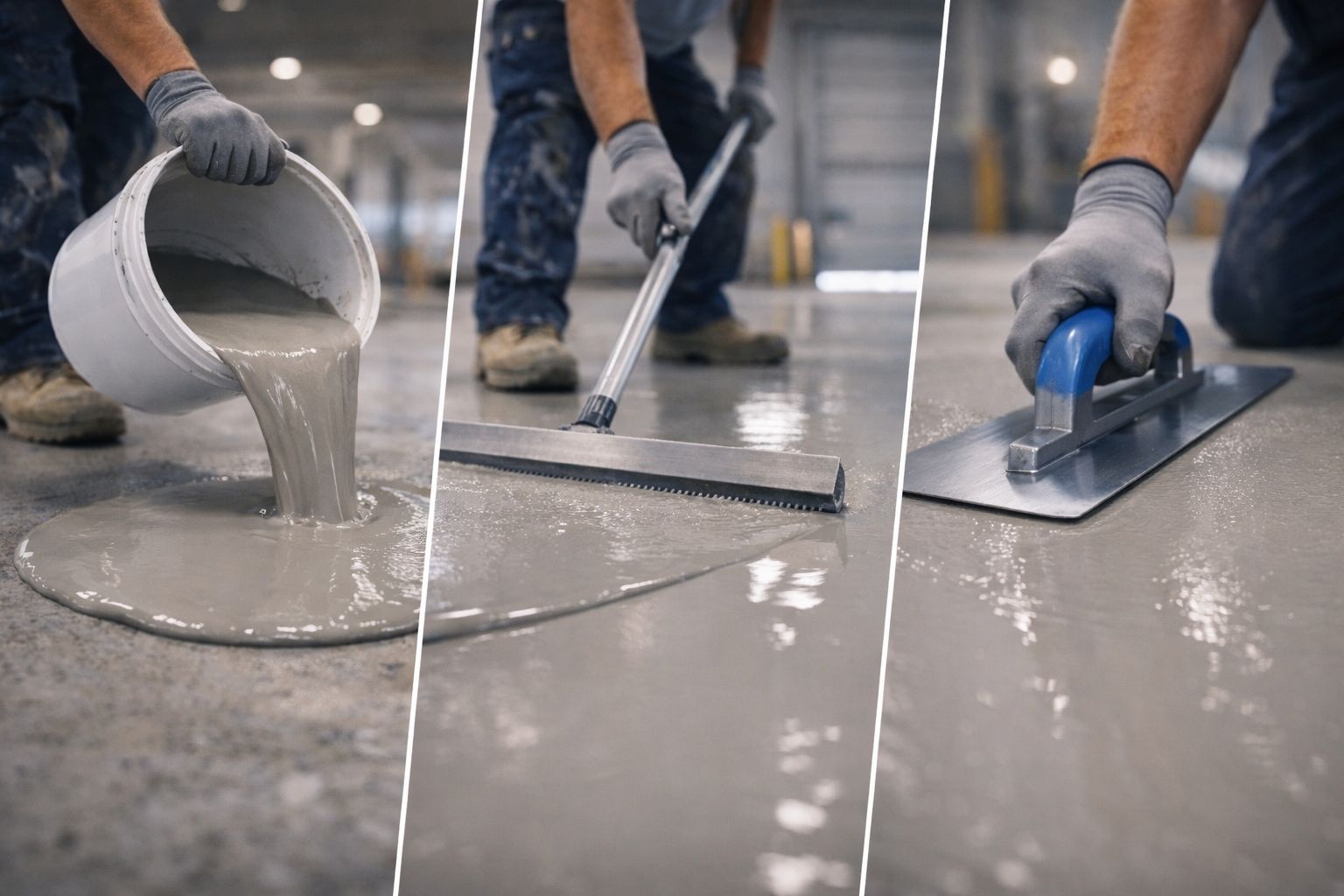
- Mix, pour, and spread the eucrete.
- Shape the surface to the required slip resistance.
- Cure and allow the floor to fully harden.
Available thicknesses
Standard thickness: 4-6 mm
Drying and operating time
- Light walking: 14-24 hours
- Moderate running: 24-48 hours
- Full running and heavy load: 3-5 days
Surface conditions prior to implementation
• The concrete is sound and free from minor cracks.
• Complete dryness is not required (suitable for damp surfaces).
• Structural joints and cracks must be pre-treated.
Colors and finishes
- Limited artificial colors available depending on the system.
- Smooth, semi-rough, or slip-resistant finishes.
- Sloping and drainage options available.
Standards and Quality
- Compliant with HACCP and FDA standards
- Suitable for industrial health and safety standards
- Resistant to bacteria and mold
- Approved for use in the food and pharmaceutical industries